Words and ideas can change the world

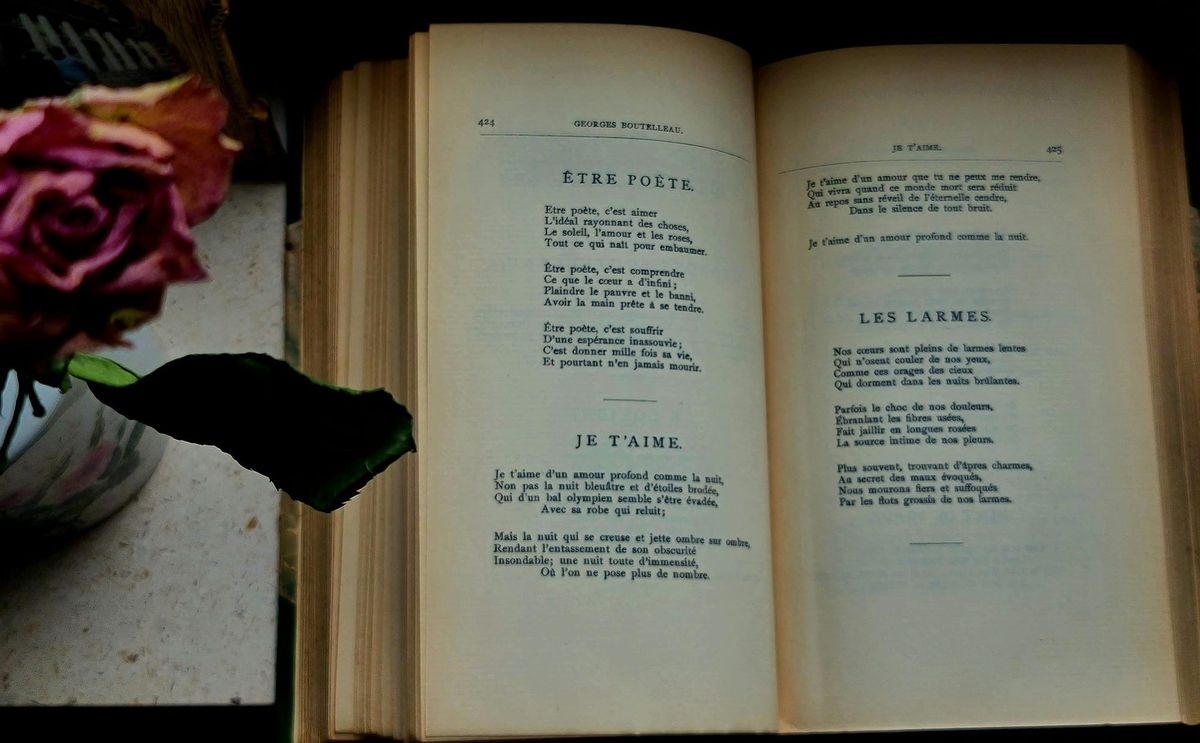
Looking at life through the lens of the Dead poets society (1989)
What do we stay alive for?
This is one of the main ambitious and existential questions that the cinematographic piece of art Dead poets society (1989) raises. It all starts in the fifties in a boarding school where a group of boys are attending high school in New Heaven. The prestigious institution named the Welton Academy, expects nothing but the very best from its students, setting academic excellence and success as its fundamental values.
Since the beginning of the movie the tone is set by the start of the academic year and the expectations that adults hold, whether its members of the schools or the parents of the young men. The back-to-school rush is, however, disrupted by the arrival of a rather atypical literature teacher, Mr. Keating, played by the ingenuous Robbin Williams. After introducing himself in a rather disconcerting way, even for the students accustomed to a demanding discipline and sometimes a rigid elitism from the school, Keating teaches his students how to challenge conformity through a whimsical and unconventional pedagogy. To “seize the day” he states, because our days on earth are numbered and to seek beauty in life, because that is what makes it worth living.
An important thought that Keating articulates is the following: people try to undermine the power of language, but words and the expression of ideas can actually change the world. In his words: ‘No matter what anybody tells you, words and ideas can change the world.” For students who are planning to enter medical or law school, Keating's offbeat preaching initially makes them smile since they struggle to find resonance with the free spirit of the professor. But slowly, they start identifying with their teacher’s approach. An interest in poetry and literature – both encompassed by the humanities - starts growing, even if often neglected by students pursuing scientific studies.
The emphasis and redefinition of ideas the role of language in the world suddenly create a dichotomy: on one side, the sometimes hostile academic world that pushes for excellence and only considers certain fields of study to be prestigious; and on the other, the questions Keating addresses about life such as our purpose as humans, and the importance of appreciating life's beauty. Otherwise, what would we be living for?
This is reflected in this passage:
We don’t read and write poetry because it’s cute, we read and write poetry because we are members of the human race and the human race is filled with passion. And medicine, business, law, engineering these are noble pursuits and necessary to sustain life, but poetry, beauty, romance, love, these are what we stay alive for. To quote from Whitman:
Oh me! Oh life! of the questions of these recurring,
Of the endless trains of the faithless, of cities filled with the foolish, […]
What good amid these, O me, O life?
Answer.
That you are here—that life exists and identity,
That the powerful play goes on, and you may contribute a verse.
Leaves of Grass (1892)
(Keating then adds to the poem the following) What will your verse be?
Inspired by the freshness and creativity of Keating, the students discover an ancient club of the school, the so-called ‘dead poets society’. Previous students just like them used to meet and read poems in the woods. Once again, the idea first surprises the pupils but quickly, they find themselves in the forest, following the footsteps of their predecessors. When the boys start doing so with the desire to recreate and perpetuate the lost tradition of the ‘dead poets society’, the main character, Neil, reads an abstract of Henry David Thoreau’s Walden, as an opening message:
“I went to the woods because I wanted to live deliberately, I wanted to live deep and suck out all the marrow of life. To put to rout all that was not life and not, when I had come to die, discover that I had not lived.”
(1854)
The film's dramatic ending, precipitated by Neil's suicide after he discovers a passion for theatre offers an essential reflection to the life of every human being. As Neil gets closer to his dream of becoming an actor, he performs in a play in front of an audience in which his father takes part. But when the curtains fall, the latter doesn't deign to applaud him, so vehemently does he disapprove of his son's decision. The discipline and path laid out for his son cannot coexist with his ‘foolish’ ambition to be an actor. This highlights the chasm that separates the two men’s conception of life. Neil, driven by passion for the first time is beyond happy to have taken part in a play. He made up his mind: this is what he wants to do from now on.
As for his father, the figure Neil is expected to obey and make proud, even if he very likely only wants the best for his son, his lack of enthusiasm and the dismissing of his son's desires opens a debate about what being a good parental figure is about. Should he promote what he believes will allow Neil to sustain his life? Or should he respect Neil's choice and let him dedicate himself to what keeps him truly alive?
This struggle between the passion felt for pursuing an artistic path and the apparent incompatibility between the latter and the conventional way of conforming to his parents' wishes is profoundly existential in the film. It echoes Keating's teaching, we stay alive for specific things in which we seek beauty. But what happens when these are taken away from you? This touches on life itself, on what sustains us as human beings and what prevents Neil from continuing his own life and leads him to take his own.
Read the original submission: